
Scientific capability overview
Explore the scientific services relevant to your product, connect them to the decision you need to make and prepare a focused brief for technical review.
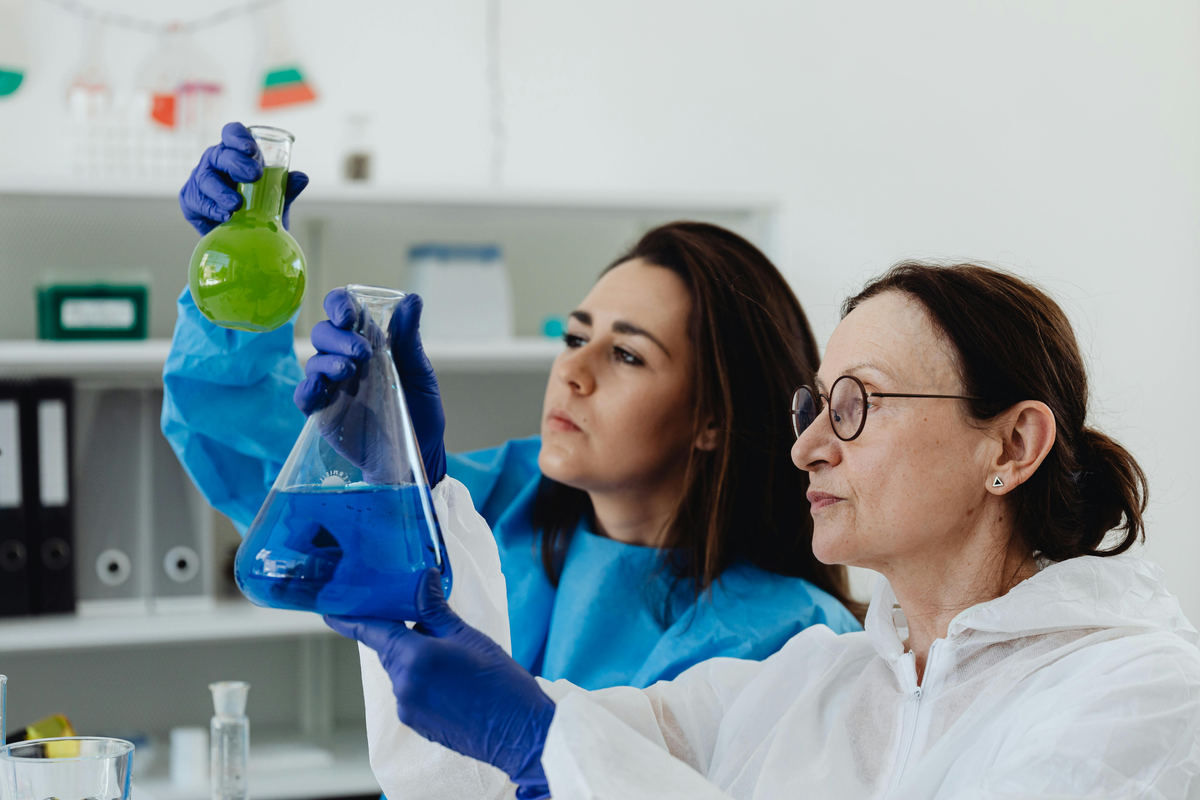
A clearer view of the available services
A product-specific scientific question
An organized brief for technical review
Integrated scientific services
Product development, analytical services, discovery and process chemistry, stability, CTM manufacturing and custom synthesis can address different questions within a development program. Start with the relevant service below, then review its detailed offerings. The final combination of work is defined through technical review.
Product Development
Pre-formulation, formulation and process development for complex drug products and combination systems.
Small-Molecule Analytical Services
Analytical development, characterization and testing for drug substance, drug product and related materials.
Biologics Analytical Services
Structural, purity and heterogeneity analysis for ADCs, proteins and polypeptides.
Stability Storage & Testing
Study design, storage and analytical testing to understand product change over time.
Clinical Trial Material Manufacturing
Sterile and non-sterile clinical trial material support from preclinical development through Phase I and Phase II.
Drug Discovery & Process Development
Discovery and process chemistry connecting early research with API and intermediate development.
Custom Synthesis
Synthesis support for API intermediates, reference standards and impurities.
Start with your question
Share your product, stage, scientific challenge and intended next decision. Detailed proprietary information can follow an NDA. A clear question helps the team identify the disciplines and evidence that may be relevant.
- Identify the product or material, dosage form and current development stage.
- Describe the issue you are investigating: material properties, formulation performance, analytical understanding, stability or clinical material needs.
- Explain the next decision and what evidence would help your team make it.
Connect characterization, formulation and evaluation
Different techniques provide different views of a product. Discuss the relationship between the scientific question, the available methods and the proposed outputs rather than choosing a technique in isolation.
- Characterize: discuss identity, physicochemical properties, composition, impurities or other product attributes relevant to the question.
- Formulate: discuss pre-formulation findings, compatibility, formulation options and process considerations.
- Evaluate: discuss analytical testing, stability, product performance and the evidence needed for the next milestone.
Organize the available evidence
Bring the records that explain the starting point. A preliminary conversation can also identify information gaps and clarify which records are useful for a more detailed review.
- Available characterization findings, development summaries and relevant observations.
- Existing methods, specifications, validation or transfer records and representative results.
- Prior formulations, packaging presentations, stability findings and known technical constraints.
- Approximate material availability and any known handling, storage or shipping considerations.
Define the work and proposed outputs
The technical discussion should establish what will be investigated, what information is required and how the work will be reported. Method selection, material requirements and timing depend on the product and agreed scope.
- Agree the scientific objective, proposed activities and dependencies.
- Clarify method readiness, responsibilities, sample requirements and review points.
- Discuss the required documentation, quality expectations and reporting format.
- Confirm deliverables, assumptions and any exclusions in the proposal.
Prepare for a technical conversation
The engagement begins with an initial review, confidentiality arrangements where needed and a technical discussion. The team can then define a scope and proposal around the information available and the work required.
- Start with a concise, non-confidential product and program summary.
- Identify the people who can discuss the scientific objective, existing data and quality requirements.
- Share the intended milestone and timing, including dependencies that remain unresolved.
- Agree the next information exchange before sending detailed records or material.